🚚 Free Worldwide Shipping on All Orders!Shop Now
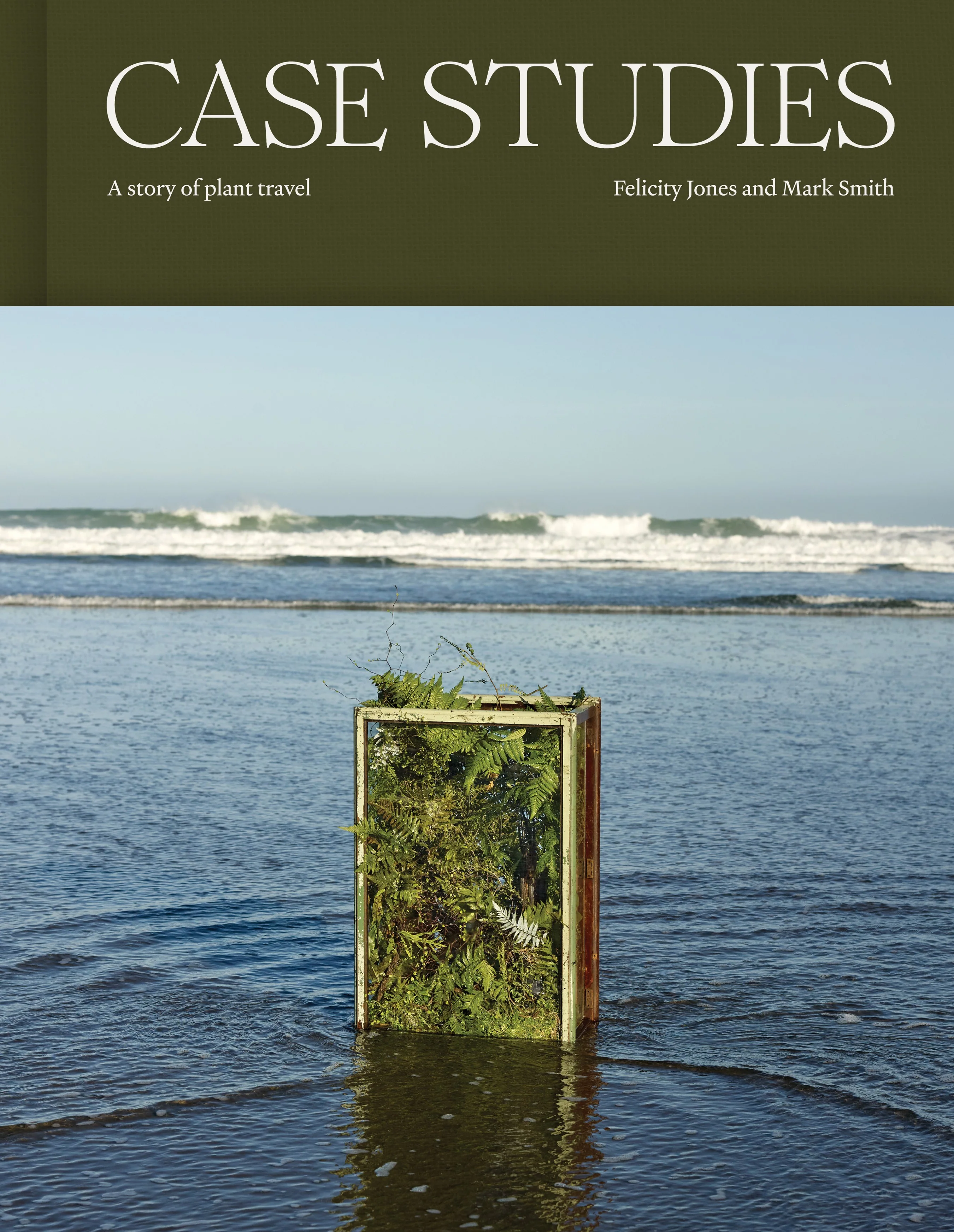
CASE STUDIES STORY OF HOUSE PLANTS TRAVEL
Authos: Felicity Jones & Mark Smith
304 pages
A beautiful book for all who love plants and their stories
In 1829, London physician Dr Nathaniel Bagshaw Ward sealed a plant inside a glass container — a simple experiment that helped change the way plants were transported across the world, transforming gardens, ecosystems and lives in the process.
This book traces that story through photographs and essays, pairing striking contemporary images of cased plants — shot in New Zealand and in the United Kingdom — with reflections on the implications of plant transfer/movement. Across six essays by Gregory O’Brien, Dame Anne Salmond, Luke Keogh, Mark Carine, Markman Ellis and Huhana Smith, the book considers not only the scientific and colonial ambitions that drove botanical exchange, but also its consequences: ecological disruption, the spread of invasive species, and the marginalisation of Indigenous knowledge systems.
Case Studies also gives space to other voices — those speaking to matauranga Maori, to tino rangatiratanga over native species, and to the ongoing work of conservation and reclamation. It is not only a record of historical movement, but also a reminder of the values and choices that continue to shape the land beneath our feet.
304 pages
A beautiful book for all who love plants and their stories
In 1829, London physician Dr Nathaniel Bagshaw Ward sealed a plant inside a glass container — a simple experiment that helped change the way plants were transported across the world, transforming gardens, ecosystems and lives in the process.
This book traces that story through photographs and essays, pairing striking contemporary images of cased plants — shot in New Zealand and in the United Kingdom — with reflections on the implications of plant transfer/movement. Across six essays by Gregory O’Brien, Dame Anne Salmond, Luke Keogh, Mark Carine, Markman Ellis and Huhana Smith, the book considers not only the scientific and colonial ambitions that drove botanical exchange, but also its consequences: ecological disruption, the spread of invasive species, and the marginalisation of Indigenous knowledge systems.
Case Studies also gives space to other voices — those speaking to matauranga Maori, to tino rangatiratanga over native species, and to the ongoing work of conservation and reclamation. It is not only a record of historical movement, but also a reminder of the values and choices that continue to shape the land beneath our feet.
$49.95
CASE STUDIES STORY OF HOUSE PLANTS TRAVEL—
$49.95
CASE STUDIES STORY OF HOUSE PLANTS TRAVEL
Authos: Felicity Jones & Mark Smith
304 pages
A beautiful book for all who love plants and their stories
In 1829, London physician Dr Nathaniel Bagshaw Ward sealed a plant inside a glass container — a simple experiment that helped change the way plants were transported across the world, transforming gardens, ecosystems and lives in the process.
This book traces that story through photographs and essays, pairing striking contemporary images of cased plants — shot in New Zealand and in the United Kingdom — with reflections on the implications of plant transfer/movement. Across six essays by Gregory O’Brien, Dame Anne Salmond, Luke Keogh, Mark Carine, Markman Ellis and Huhana Smith, the book considers not only the scientific and colonial ambitions that drove botanical exchange, but also its consequences: ecological disruption, the spread of invasive species, and the marginalisation of Indigenous knowledge systems.
Case Studies also gives space to other voices — those speaking to matauranga Maori, to tino rangatiratanga over native species, and to the ongoing work of conservation and reclamation. It is not only a record of historical movement, but also a reminder of the values and choices that continue to shape the land beneath our feet.
304 pages
A beautiful book for all who love plants and their stories
In 1829, London physician Dr Nathaniel Bagshaw Ward sealed a plant inside a glass container — a simple experiment that helped change the way plants were transported across the world, transforming gardens, ecosystems and lives in the process.
This book traces that story through photographs and essays, pairing striking contemporary images of cased plants — shot in New Zealand and in the United Kingdom — with reflections on the implications of plant transfer/movement. Across six essays by Gregory O’Brien, Dame Anne Salmond, Luke Keogh, Mark Carine, Markman Ellis and Huhana Smith, the book considers not only the scientific and colonial ambitions that drove botanical exchange, but also its consequences: ecological disruption, the spread of invasive species, and the marginalisation of Indigenous knowledge systems.
Case Studies also gives space to other voices — those speaking to matauranga Maori, to tino rangatiratanga over native species, and to the ongoing work of conservation and reclamation. It is not only a record of historical movement, but also a reminder of the values and choices that continue to shape the land beneath our feet.
Product Information
Product Information
Shipping & Returns
Shipping & Returns
Description
Authos: Felicity Jones & Mark Smith
304 pages
A beautiful book for all who love plants and their stories
In 1829, London physician Dr Nathaniel Bagshaw Ward sealed a plant inside a glass container — a simple experiment that helped change the way plants were transported across the world, transforming gardens, ecosystems and lives in the process.
This book traces that story through photographs and essays, pairing striking contemporary images of cased plants — shot in New Zealand and in the United Kingdom — with reflections on the implications of plant transfer/movement. Across six essays by Gregory O’Brien, Dame Anne Salmond, Luke Keogh, Mark Carine, Markman Ellis and Huhana Smith, the book considers not only the scientific and colonial ambitions that drove botanical exchange, but also its consequences: ecological disruption, the spread of invasive species, and the marginalisation of Indigenous knowledge systems.
Case Studies also gives space to other voices — those speaking to matauranga Maori, to tino rangatiratanga over native species, and to the ongoing work of conservation and reclamation. It is not only a record of historical movement, but also a reminder of the values and choices that continue to shape the land beneath our feet.
304 pages
A beautiful book for all who love plants and their stories
In 1829, London physician Dr Nathaniel Bagshaw Ward sealed a plant inside a glass container — a simple experiment that helped change the way plants were transported across the world, transforming gardens, ecosystems and lives in the process.
This book traces that story through photographs and essays, pairing striking contemporary images of cased plants — shot in New Zealand and in the United Kingdom — with reflections on the implications of plant transfer/movement. Across six essays by Gregory O’Brien, Dame Anne Salmond, Luke Keogh, Mark Carine, Markman Ellis and Huhana Smith, the book considers not only the scientific and colonial ambitions that drove botanical exchange, but also its consequences: ecological disruption, the spread of invasive species, and the marginalisation of Indigenous knowledge systems.
Case Studies also gives space to other voices — those speaking to matauranga Maori, to tino rangatiratanga over native species, and to the ongoing work of conservation and reclamation. It is not only a record of historical movement, but also a reminder of the values and choices that continue to shape the land beneath our feet.